
2026.07.29

Iconic Lavastone Architectures Around the World

Table of contents

Iconic Lavastone Architectures Around the World

Throughout history, the intersection of material research and design culture has yielded extraordinary environments that stand the test of time. Ranieri serves as a dedicated technical and project partner for professionals seeking to push the boundaries of contemporary architecture materials.

Our work centers on transforming raw volcanic rock into bespoke architectural surfaces, developing natural and glazed lava stone elements tailored to complex spatial narratives.

By integrating material intelligence with the architect's vision, we develop distinct elements ranging from monolithic lavastone kitchen countertops to highly tactile, geometrically precise wall and floor lavastone tiles. The inherent versatility and structural integrity of this magmatic core also allow for the creation of sculptural bathroom lavastone sinks and highly engineered 3D lavastone tiles designed for statement bar counters and dynamic feature walls. This deep material experimentation elevates spatial design far beyond standard commodity logic, offering architects a medium that is as enduring as it is expressive.

World Landmarks Featuring Lavastone

Volcanic stone has long contributed to enduring architectural structures, creating a physical link between immense geological forces and human engineering. From ancient basilicas shaped by basaltic foundations to contemporary metropolitan facades defined by custom architectural materials, lava stone surfaces offer a compelling balance between geological strength and refined spatial expression. Global landmarks frequently rely on the dense structure of lava stone to withstand centuries of severe weathering while developing a dignified, evolving patina that synthetic materials cannot replicate.

The application of glazed lava stone in monumental architecture introduces a further layer of material intelligence to the discipline. Architects leverage the extraordinary thermal resilience of the stone, firing it at extreme temperatures to achieve vibrant, glassy finishes that resist ultraviolet degradation, urban pollution, and extreme climatic shifts. This sophisticated evolution from rough-hewn blocks to highly engineered, bespoke lava elements demonstrates a profound shift in how professionals approach architectural lava today. By observing these world landmarks, design professionals recognize that volcanic rock acts as an active, performative participant in the architectural narrative. It bridges deep geological time and contemporary design culture, allowing for the creation of landmarks that are visually precise and structurally uncompromising.
Cultural Edifices and Lavastone Usage

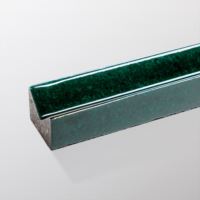
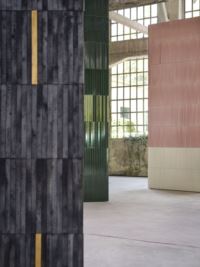
Cultural institutions demand materials that reflect both profound permanence and continuous artistic innovation. In the context of museums, galleries, and cultural centers, bespoke architectural surfaces must perform on multiple levels: acoustically, visually, and structurally. The integration of enameled volcanic rock has become increasingly relevant in these sophisticated environments. The high-temperature glazing process opens a broad spectrum of chromatic expressions, enabling designers to integrate complex visual identities directly into the building's architectural skin.

Material-driven design in these highly curated spaces often involves extensive lava material research to ensure exact color matching, textural consistency, and structural performance. This rigor allows the architecture itself to become part of the cultural narrative.

Architectural Requirement

Lava Stone Property

Project Application Example

Architectural durability

High resistance to abrasion and structural density

Museum foyers, exterior plazas

Chromatic research

High-temperature permanent enamel glazing

Distinctive facade systems, integrated chromatic compositions

Sculptural flexibility

Workable and carvable before the glazing process

Institutional seating, monumental staircases

Environmental resilience

Frost-proof, non-porous when glazed, and UV-resistant

Outdoor exhibition spaces, architectural detailing

This level of material experimentation ensures that cultural edifices transcend standard construction paradigms. The integration of custom lava stone allows for a seamless dialogue between the artistic works housed within the building and the resilient, expressive structural envelope itself.

Lavastone in Iconic Residential Architecture

Within the realm of high-end residential design, the transition from public monumentality to private intimacy requires a highly nuanced approach to material intelligence. Architects designing iconic bespoke homes frequently turn to lava stone to ground their interiors with an organic yet exceptionally refined sensibility. Within many of these custom residences, lavastone countertops act as monolithic architectural presences that anchor culinary and living spaces. The design appeal lies heavily in the extraordinary range of lava stone countertop colors available through precision glazing techniques. Unlike synthetic or composite materials, the artisanal firing process yields subtle variations, crazing, and deep tonal shifts, ensuring that every architectural surface remains entirely unique to the specific project.

When evaluating a bespoke lava stone countertop, design professionals understand that its value lies in an architectural surface shaped by extensive research, rather than in a mass-produced commodity. The intrinsic value is derived from the intensive material research, the careful selection of raw volcanic matter, and the highly customized glazing processes that define true design culture. This project-driven approach has gained growing attention across North America, where lava stone countertops are increasingly associated with sophisticated, material-driven design—from coastal architectural retreats in California to minimalist penthouses in New York. The tactile quality of the stone, whether left in its dark, porous natural state or sealed beneath a crystalline glaze, introduces a profound, enduring sensory experience into the modern domestic landscape.

Celebrated Public Spaces with Lavastone

Public realms require architectural materials that can endure relentless daily use while actively fostering a distinct civic identity. Celebrated public spaces globally harness the unmatched resilience of architectural lava to create enduring, meaningful civic landscapes. From expansive pedestrian zones in historic European capitals to contemplative, modern botanical gardens, custom architectural materials like volcanic rock provide an unmatched sense of permanence and grounding. The ability to shape, carve, and enamel lava stone allows urban planners and landscape architects to develop functional architectural elements—from expansive fountain features to monolithic public seating—that resist environmental degradation and intensive interaction.

The utilization of bespoke lava in these complex settings goes far beyond mere paving or basic cladding; it represents a dedicated commitment to material intelligence in the public domain. Glazed lava elements are strategically employed to delineate specific urban zones, subtly guide pedestrian flow, or provide vibrant, permanent chromatic contrasts against otherwise muted urban backdrops. By treating the public square as a rigorous canvas for material experimentation, designers elevate the everyday civic experience. They prove that robust, virtually indestructible infrastructure can coexist seamlessly with high design culture, ensuring public spaces remain vibrant and intact for generations.

Lavastone as a Global Architectural Staple

The journey of volcanic rock from the earth's mantle to the very forefront of contemporary architecture materials is a powerful testament to continuous innovation and project-driven collaboration. The global architectural community recognizes the unmatched potential of this material to resolve complex, site-specific design challenges. By specifying custom lavastone, architects working on private residences, hospitality environments and cultural commissions ensure their projects are anchored in profound material integrity rather than standardized, temporary solutions. Ranieri stands as a dedicated, expert technical partner in this global movement, facilitating the realization of highly ambitious lava stone projects through rigorous research, process refinement, and an unwavering respect for the project's core vision.

The integration of custom lava stone surfaces into prestigious international projects highlights a universal appreciation for materials that carry genuine geological weight and rich historical significance. By championing a project-driven language and actively rejecting the limitations of mass-market commodities, the architectural discipline continues to uncover new, unprecedented potentials within this ancient stone. As material intelligence continues to evolve alongside advanced processing technologies, so too will the diverse applications of volcanic rock, reinforcing its role as a meaningful material presence within enduring global architecture.

FAQ

Who manufactures lavastone?

Lavastone is a naturally occurring igneous volcanic rock, extracted from the earth rather than manufactured in a traditional facility. Specialized technical partners like Ranieri select and process raw volcanic matter through advanced cutting, shaping and high-temperature glazing techniques. This rigorous process transforms geological material into highly refined, bespoke architectural surfaces tailored for complex design projects.

What is an example of a volcanic landscape?

The Mount Etna region in Sicily, Italy, serves as a premier example of a dynamic, active volcanic landscape. Its expansive slopes are characterized by a complex network of ancient and recent lava flows, dense basaltic columns, and rich, mineral-heavy soil. This specific geological environment has long shaped the dense volcanic matter used in architectural lava stone projects.

Can you build with lava?

Absolutely. Volcanic rock has served as a foundational, load-bearing building material for millennia due to its extreme density, structural stability, and unparalleled resistance to environmental wear. Today, material-driven design utilizes advanced technological processing to transform raw lava into custom architectural materials, robust exterior structural cladding, and highly refined, delicate interior surfaces.

What volcano has many layers of volcanic rocks?

Stratovolcanoes, which are also known as composite volcanoes, are scientifically characterized by their steep, conical profiles and periodic eruptions. These eruptions deposit alternating, distinct layers of hardened lava, volcanic ash, and pumice over millennia. Mount Etna is a classic example of a stratovolcano where centuries of continuous geological activity have laid down incredibly complex, multi-layered deposits of dense volcanic rock ideal for architectural extraction.