
2026.07.29

Incorporating Lava Rock into Luxury Retail Space Design

Table of contents

Incorporating Lava Rock into Luxury Retail Space Design

As a dedicated technical partner in architectural ventures, Ranieri Lavastone explores the intersection between material intelligence and contemporary environments. We provide natural and glazed lava stone tiles and furniture, translating geological matter into bespoke architectural surfaces. Our engagement with material experimentation allows us to craft functional elements for highly curated spaces.

From robust lavastone kitchen countertops that anchor culinary spaces, to expansive wall and floor lavastone tiles redefining spatial continuity, the versatility is immense. Architects specify our monolithic bathroom lavastone sinks for wellness environments, while our sculpted 3D lavastone tiles consistently define striking focal points. Incorporating these custom architectural materials into a luxury retail setting offers a sophisticated method to ground a commercial space in authentic materiality.

Lava Rock as a Statement in Retail Environments

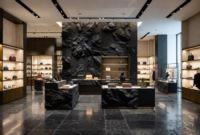
Modern luxury retail space design requires a meticulous orchestration of spatial geometry, lighting, and material selection. The physical environment serves as the tactile touchpoint between a brand and its clientele. In this context, lava stone emerges as a compelling protagonist within retail interior design. Originating from profound geological processes, this volcanic rock introduces an undeniable narrative of time into the built environment. Utilizing lava stone for architecture allows designers to anchor transient commercial spaces with a material exuding gravity. The robust physical presence of the stone communicates a silent but powerful narrative of geological heritage.

The intrinsic porosity and subtle tonal variations of raw lava create visual depth that synthetic alternatives fail to replicate. Retail interior design ideas increasingly center on authenticity, moving toward spaces celebrating raw textures. When applied as monumental wall cladding, architectural lava transforms a boutique into a sensory landscape. The dark hues of natural basaltic rock provide an exceptional backdrop for illuminating high-end apparel. The subtle interplay of light across a textured volcanic surface generates micro-shadows, adding dynamic quality to the architectural envelope. Integrating this ancient material into modern commercial settings elevates the spatial experience, establishing a profound sense of place.
Enhancing Brand Identity with Lava Rock

Developing a compelling narrative is foundational to luxury retail space design ideas. The materials chosen for a boutique's envelope must silently communicate the brand's core values. Bespoke lava stone surfaces offer an extraordinary canvas for this communication. Through advanced material research and proprietary glazing techniques, volcanic rock can be transformed to align perfectly with specific corporate identities.

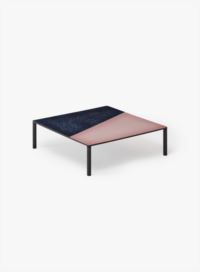
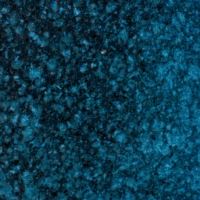
Glazed lava stone presents an unparalleled opportunity for customization. The fusion of ancient stone with high-fired glass enamels results in a surface possessing the strength of the earth and the luminous elegance of refined ceramics. Small luxury retail space design greatly benefits from these bespoke architectural surfaces, as limited square footage necessitates intentionally curated material choices. Designers can specify custom lava stone in precise brand colors, utilizing the crazing effect to introduce artisanal complexity.

Material Characteristic

Application in Retail Design

Brand Identity Translation

Raw, porous texture

Monolithic focal walls, display plinths

Authenticity, heritage, connection to nature

Custom glazed surfaces

Cash wraps, branded feature installations

Sophistication, innovation, tailored exclusivity

3D sculpted profiles

Architectural facades, interior partitions

Avant-garde vision, tactile engagement

Dense, enduring mass

Floorings, heavy-duty display systems

Permanence, reliability, timeless luxury

By integrating such specific material intelligence into the interior store design and layout, brands cultivate a distinct cultural atmosphere.

The Functionality of Lava Rock in Retail Design

Aesthetics in commercial architecture must always be supported by uncompromising technical performance. The rigorous demands of high-traffic environments necessitate materials that endure constant use while maintaining visual integrity. Volcanic rock excels in this functional capacity, making it a superior choice for complex architectural surfaces. Due to its dense structure forged under extreme heat, lava rock exhibits remarkable compressive strength and resistance to abrasion. This durability is crucial when planning an interior store design and layout, particularly for primary circulation paths.

The application of specialized glazes significantly enhances the stone's functional profile. Glazed lava stone is impervious to water, resistant to chemical agents, and immune to thermal shock. These properties make it an exceptionally hygienic surface, ideal for display counters within retail environments. Famous retail designers often gravitate towards materials developing a dignified patina over time. The functionality extends beyond durability; it encompasses adaptability to complex geometries. Advanced milling technologies allow raw volcanic blocks to be sculpted into project-specific forms. This capability enables bespoke lava furnishings and custom architectural contours responding precisely to ergonomic requirements. Architects and interior designers appreciate this fusion of high-performance engineering and geological authenticity, allowing them to create spaces that are both beautiful and enduring.

Case Studies of Lava Rock in Retail Spaces

Analyzing a retail store interior design case study reveals the transformative potential of material-driven design. Consider a collaborative project involving the integration of Ranieri surfaces within a flagship boutique in Milan. The architectural brief demanded a spatial identity balancing industrial edge with refined luxury. The solution involved specifying large-format, honed lava stone slabs for the primary flooring, establishing a continuous, texturally rich foundation.

To create vertical disruption, custom 3D lavastone tiles were engineered for the central cash wrap and partition walls. These three-dimensional surfaces, finished in a customized emerald glaze, reacted dynamically with directional lighting, creating a luminous focal point that anchored the entire interior store design and layout. The crazed glaze provided a delicate contrast to the heavy nature of the underlying stone. This project-driven approach highlights how architectural lava solves complex spatial challenges while elevating the cultural positioning of the retail space. The tactile engagement experienced by clients interacting with the monolithic displays demonstrated the psychological impact of authentic materials. The integration of material research transformed a standard transaction into a memorable spatial experience, solidifying visionary aesthetics.

Frequently Asked Questions about Lava Rock

Is lava rock a good building material?

Lava rock is an exceptional building material for architectural applications. Forged under extreme geological temperatures, basaltic stone possesses immense compressive strength and high thermal resistance. Its dense crystalline structure makes it highly durable for structural cladding and sophisticated interior surfaces.

How long does lava rock last in landscaping?

While Ranieri specializes in high-end interior architecture, volcanic rock is geologically designed to endure millennia. In landscaping contexts, natural lava stone does not decompose or degrade under harsh environmental conditions, offering a permanent solution outlasting organic or synthetic alternatives.

What are the benefits of lava rock?

Primary benefits include extraordinary durability, resistance to thermal shock, and unparalleled aesthetic depth. When utilized as glazed lava stone, it becomes impermeable and highly resistant to chemical wear, marrying raw strength with the functional advantages of advanced ceramics.

Is lava rock valuable?

Yes, architectural-grade lava rock holds significant value. Transforming raw volcanic blocks into refined, bespoke architectural surfaces requires extensive material research, precise engineering, and artisanal glazing techniques. Its value lies in the sophisticated design culture elevating it into functional art.

FAQ

Why do hotels use carpet?

Carpet is used above all for acoustic comfort and a sense of warmth, particularly in rooms and corridors. In the main areas it can be replaced or combined with durable surfaces such as stone, terrazzo and technical flooring, depending on operational and design requirements.

What flooring is used in hotels?

The choice varies according to function. Lobbies and reception areas call for resilient, representative materials; guest rooms often favor wood or textiles; bathrooms, restaurants and service areas need surfaces suited to frequent cleaning, water and intensive use.

Why does design matter in hospitality?

Design translates the identity of the brand into a physical space. It organizes flows, comfort, functionality and atmosphere. Materials, light and proportions determine the guest's first impression and the quality of the entire experience.

What is hospitality design?

It is the discipline that develops hotels, restaurants, resorts and spaces intended to welcome guests. It integrates operational requirements, maintenance, safety, service flows, comfort and architectural identity.