2026.05.04

Lavastone: origin, types, and properties from Etna to Vesuvius

Table of contents

Lavastone: origin, types, and properties from Etna to Vesuvius

Architectural lavastone represents a deep connection between the primordial force of nature and the refinement of contemporary design. In recent years, continuous material research has made this magmatic surface the undisputed protagonist of the most exclusive interiors and ambitious projects.

Architects and designers regularly choose lavastone kitchen countertops for their unmatched thermal resistance and deep texture, as well as wall and floor lavastone tiles to define rigorous, elegant, and timeless spaces.

The expressive potential of this solidified magma organically extends to custom furniture elements, taking shape in elegant and monolithic bathroom lavastone sinks, captivating 3D lavastone tiles capable of animating entire walls with complex interplays of light and shadow, and sculptural lavastone tables that masterfully blend structural function and pure aesthetics.

The genesis of the material: Etna and Vesuvius compared

The geological and petrographic analysis of Italian volcanic districts reveals fascinating dynamics that ideally unite the south of the peninsula. Etna and Vesuvius, despite their distinct eruptive histories and different landscape conformations, generate a raw material that shares an intimate structural affinity. From a mineralogical perspective, the effusive magma cooling along the slopes of the Sicilian volcano and the one that historically shaped the Campanian territory present comparable characteristics. Both lithotypes belong to the large family of effusive magmatic rocks, characterized by a porphyritic or microcrystalline structure rich in silicates, plagioclase, and pyroxenes.

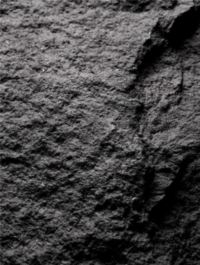
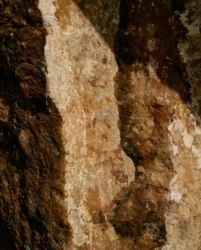
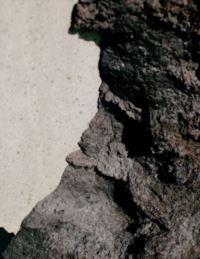
The natural color variations, ranging from deep grays and anthracite tones to more earthy shades, depend primarily on the specific cooling conditions of the lava flow and the oxidation percentage of ferrous minerals present during the eruption.

Studying these two volcanoes means understanding that the architectural lavastone deriving from both extraction basins offers physical and mechanical performance of the highest level. Etna and Vesuvius essentially represent two sides of the same geological coin. Density, compressive strength, and wear response place these lavastone surfaces among the finest natural materials for interior and exterior architecture.
Material intelligence: Beyond geographical origin

The true distinction in the lavastone design world lies elsewhere. The geographical origin of the magmatic block takes a back seat to the methodological and technical approach of those who shape it. The real differentiator in this highly specialized sector is material intelligence: the deep, layered, and historical understanding of the intimate reactions of volcanic stone during every processing phase.

Many industrial realities approach lavastone by applying the same paradigms used for processing marble, granite, or quartzite. Treating a volcanic material while ignoring its thermal memory and specific porosity inevitably leads to standardized results, lacking the soul that makes lavastone projects truly unique.

Ranieri historically positions itself as a design and technical partner for architecture firms, integrating material, research, process, and design culture.

Crafting custom lavastone requires specifically calibrated machinery, dedicated tools, and above all, a human sensitivity capable of reading the veins and internal tensions of the block before cutting even begins.

Below is a breakdown highlighting the differences in technical and design approaches:

Technical Aspect

Generic Stone Processing

Specialized Processing (Ranieri Approach)

Lithotype knowledge

Standardized treatment similar to marble and granite.

Deep understanding of magma porosity and thermal memory.

Project integration

Supply of standard formats and basic processing.

Technical partner for complex projects, material-driven design.

Enameling process

Surface application at low temperatures, risk of delamination.

Molecular fusion at over 1000°C between enamel and lavastone base.

Three-dimensional development

Bas-reliefs executed with standard CNC machines.

Lavastone research for advanced and sculptural 3D architectural surfaces.

Final result

Commodity product, standardized and replicable.

Custom architectural surfaces, the result of pure material experimentation.

Lavastone research and the delicate enameling process

Lavastone research and the delicate enameling process

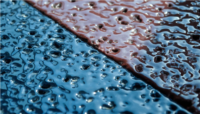
The peak of material experimentation is reached when the raw stone meets fire for the second time in its existence. Enameled lavastone represents a unique element in the landscape of contemporary architectural materials. This process requires absolute technical mastery. Applying ceramic glazes, crystalline, or glass mixtures to the lavastone surface and subjecting the pieces to firing temperatures exceeding 1000 degrees Celsius exposes the material to extreme thermal stress.

Only companies rooted in the territory, with decades of research behind them, know exactly how to calculate heating and cooling curves to avoid breakages, cracking, or glaze adhesion defects. During kiln firing, the open pores of the basalt welcome the molten enamel, creating an unbreakable bond.

The result is a vitrified surface that is completely non-absorbent, hygienic, and resistant to acids and wear, yet maintains the irregularity and material beauty of the underlying volcanic base. This alchemy allows the development of custom architectural materials with infinite color palettes, from matte or glossy solid colors to complex patterns and craquelé effects that enhance the uniqueness of every single slab.

Custom architectural surfaces: The meeting of nature and design

Contemporary interior architecture shuns standardization to embrace authenticity. Industry professionals require materials capable of interpreting complex spatial visions. Custom lavastone responds exactly to this need, offering a degree of personalization that few other natural elements allow.

Developing architectural surfaces in this material means establishing a continuous dialogue between the designer and the workshop. The engineering phase becomes as crucial as the aesthetic one. Ranieri supports international architects and designers from the embryonic stages of space conception, sharing its design culture. Whether it is cladding an imposing luxury hotel lobby, conceptualizing a monolithic high-end cocktail bar counter, or adapting architectural lavastone for a prestigious private residence, every element is studied to ensure the best structural and visual performance.


Material-driven design imposes a deep respect for the physical limits of the stone, turning them into creative opportunities. Mechanical surface treatments, such as bush-hammering, brushing, sandblasting, or honing, alter light reflection, achieving finishes that vary from ancestral roughness to contemporary silkiness. The introduction of three-dimensional milling further elevates the concept of cladding, transforming walls into true installations of wall art where the material constantly dialogues with lighting design.

Contact us
Contemporary architectural materials: A lasting vision

Contemporary architectural materials: A lasting vision

Selecting lavastone for an architectural project means making a precise choice, oriented towards durability, deep aesthetics, and the intrinsic value of the material.

The use of this material transcends passing trends, fitting into a line of sustainable and timeless architecture. The material's density guarantees exceptional thermal inertia, while its chemical composition makes it impervious to weathering and pollution when used outdoors.

Understanding the real difference between basic and specialized processing protects the client's investment and ensures the perfect outcome of the architectural work. Decades of experience, technological innovation applied to precision machinery, and artistic sensitivity in glaze formulation are the pillars on which true authority in the sector is founded. Volcanic stone, whether extracted from the bowels of Etna or from historic Vesuvius quarries, only waits to be interpreted by expert hands to reveal all its unexpressed potential.

FAQ: Frequently asked questions about architectural lavastone

What are the real technical differences between Etna and Vesuvius lavastone?

From a chemical and geological standpoint, both belong to the family of effusive magmatic rocks and present almost identical physical and mechanical characteristics, such as high compressive strength and durability. Color or porosity variations are completely natural and depend on individual lava flows, regardless of the volcanic district of origin. The determining factor for the final product's quality lies exclusively in the technical skills of the workshop performing the extraction and subsequent processing.

How does the union between volcanic stone and colors occur in the enameling process?

The procedure requires extreme precision and a deep knowledge of the materials' thermal reactions. The raw stone is cut and prepared to receive a layer of ceramic glaze or glass mixture. Subsequently, the material is placed into special kilns where temperatures exceed 1000°C. During this phase, the expansion of the rock's pores allows the molten enamel to penetrate deeply, creating an inseparable molecular fusion between the basaltic base and the colored surface.

In which areas of interior design is this material mostly applied?

The versatility of lavastone, whether natural or enameled, allows applications in multiple high-profile contexts. It is widely used to create large surfaces like continuous flooring and wall cladding, including three-dimensional ones. It finds excellent expression in the creation of custom furniture elements, including impressive worktops for design kitchens, sculptural counters for the hospitality sector, monolithic sinks for bathrooms, and tables intended for both indoor environments and exclusive outdoor spaces.

Why is it essential to entrust projects to workshops specializing exclusively in lavastone?

Processing this solidified magma requires specific instruments and firing curves, profoundly different from those used for marble or traditional ceramics. Companies with a long history and focus on this material possess the necessary know-how to manage the stone's internal tensions during complex cuts and to perfectly calibrate the enameling thermal cycles, guaranteeing an excellent, durable, and structurally flawless architectural result.