- collection
- surface definitions
surface definitions
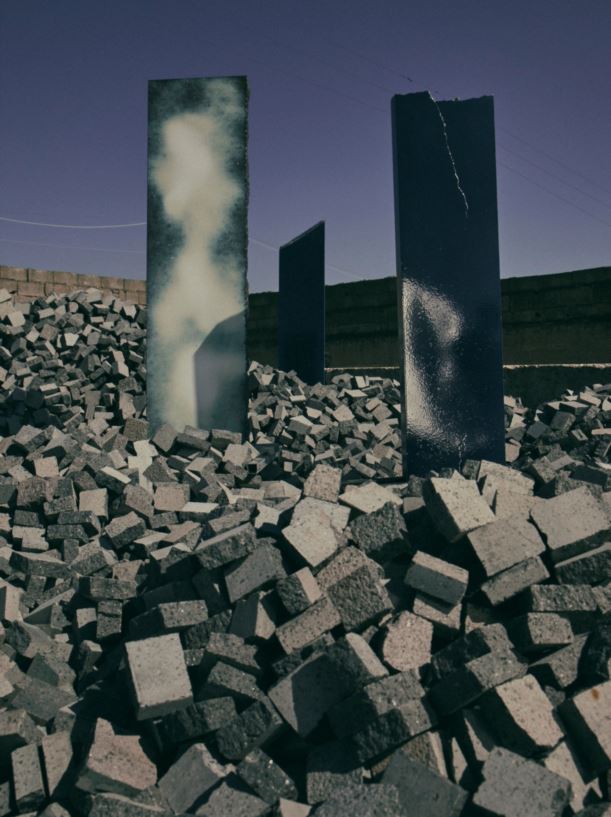
The artistic and manual superimposition of the various layers of enamels and colours, which takes on indefinite shapes and movements under the wise and expert hands of our craftsmen, is the predominant feature of this finish. The stone is revealed and dressed in an alternation of gray material shadows and colored enamel lights; Unpredictable effects dance on it, making each piece unique.

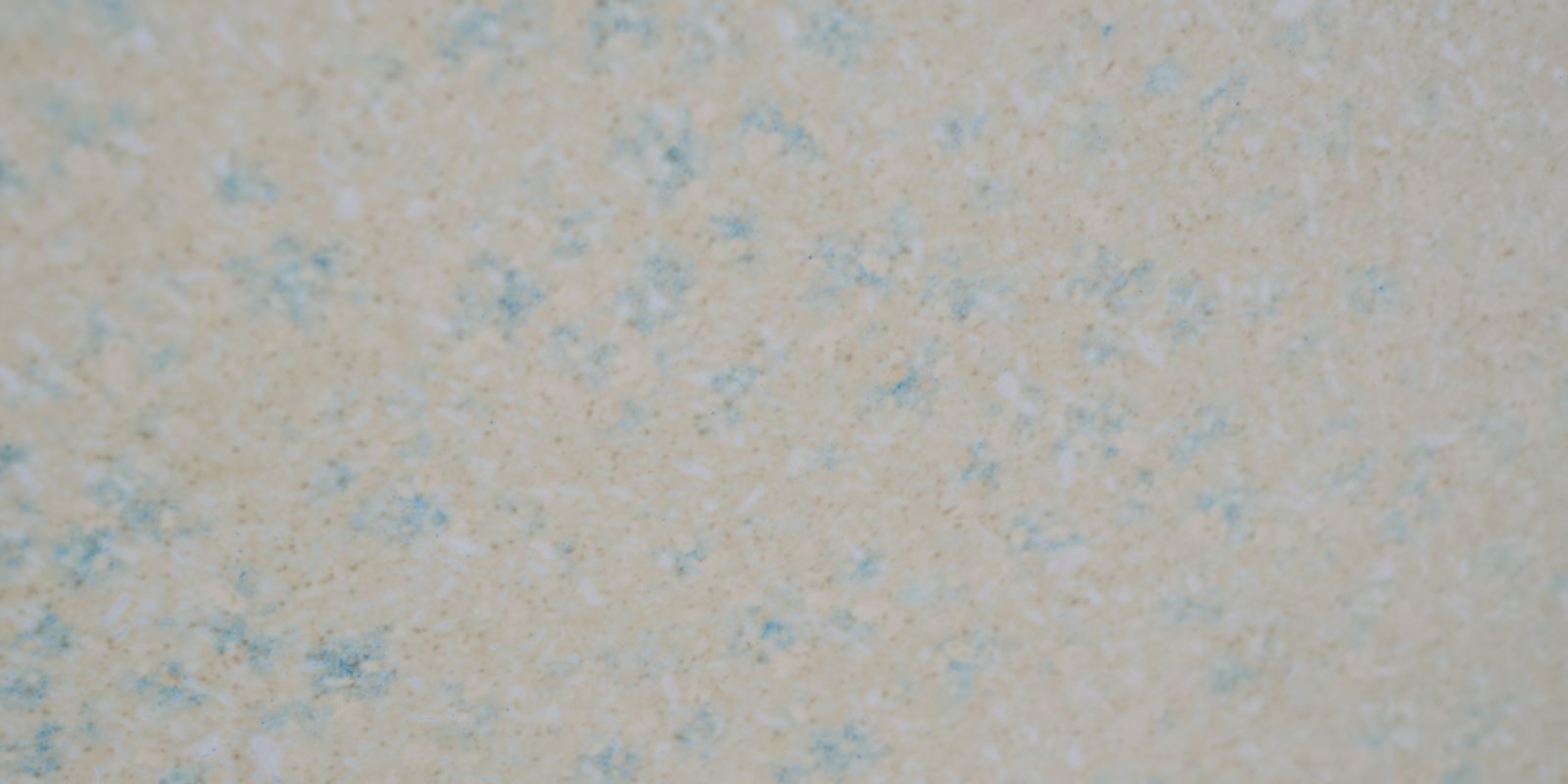
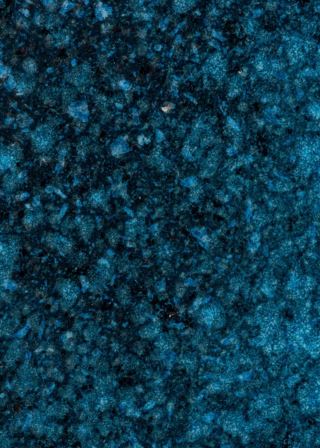
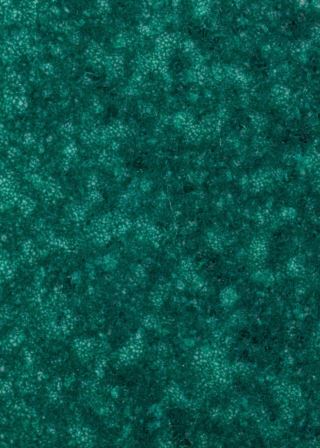


Why glazing
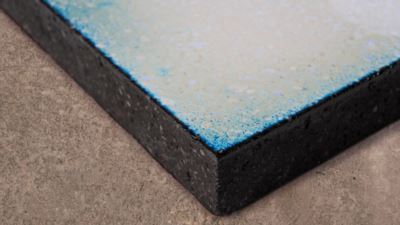
The glazing of lava stone requires scrupulous workmanship and every stage is done by hand.
Many factors are taken into account, including the features of the lava stone piece, which, since it is natural, are not always uniform.
After being cleaned, completely dried and covered with a clay paste called engobe, which serves to close any microscopic holes or imperfections in the stone, we come to the main stage, i.e. applying the previously prepared and mixed liquid clay glaze.
This step is repeated several times, bringing into play the skill of the craftsman.
Once glazed, the lava stone piece is left to dry naturally.
The last stage before firing is the application of a vitreous glaze over the colored surface.
The transparent glaze is prepared by mixing several raw materials as well as various minerals and oxides to obtain the desired color, level of gloss and finish.
Imperfections

Glazing: present.
Treatment: design-based pattern.
A collection of surfaces where color is not the starting point. The focus is on the graphic design, applied to lava through glazing and process.
Ideal for: design collections, designer collaborations, narrative surfaces.
Not ideal for: standard technical applications.