Lavastone and Marble: A Material Showdown
The fundamental differences between lavastone and marble begin with their geological formation processes, which directly influence their performance characteristics and aesthetic qualities. Marble forms through metamorphic processes over millions of years, as limestone or dolomite undergoes intense pressure and heat within the earth's crust. This transformation creates the distinctive crystalline structure and elegant veining patterns that have made marble synonymous with luxury for millennia.
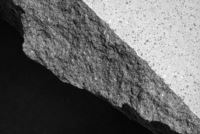
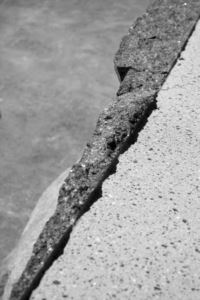
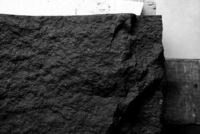
Lavastone emerges from volcanic activity, formed when molten magma rapidly cools and solidifies after eruption. This violent birth results in a material with unique porosity, exceptional durability, and distinctive textural qualities that differ dramatically from marble's smooth, refined surface. The volcanic origin imbues lavastone with natural heat resistance and remarkable structural integrity that surpasses many traditional stone materials.
The crystalline structure of marble creates both its beauty and its vulnerability. The calcium carbonate composition that produces marble's luminous appearance also makes it susceptible to acid etching from common household substances like citrus juices, wine, and cleaning products. This chemical sensitivity requires careful maintenance and protective measures to preserve the surface's pristine condition over time.
Lavastone's volcanic composition provides natural resistance to chemical etching and staining. The material's inherent durability stems from its formation under extreme temperatures and pressures, resulting in a surface that withstands daily use without the careful handling required by marble. This resilience makes lavastone particularly appealing for high-traffic areas and households with active lifestyles.
Color development in these materials follows entirely different paths. Marble's appearance depends on mineral impurities present during formation, creating natural veining patterns that range from subtle to dramatic. While beautiful, these patterns are predetermined by geological processes and cannot be modified during fabrication.
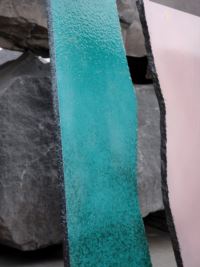
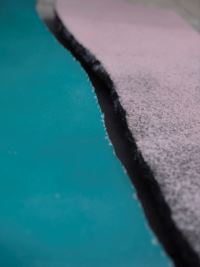
Lavastone offers unprecedented customization possibilities through advanced glazing techniques. While natural lavastone displays attractive earth tones and volcanic textures, glazed versions can achieve virtually any color or finish imaginable. This flexibility allows designers to create truly bespoke surfaces that align perfectly with specific design visions and color schemes.
The thermal properties of these materials reveal another crucial distinction. Marble conducts heat efficiently, which can make surfaces feel cool to the touch—pleasant in warm climates but potentially uncomfortable in cooler environments. Lavastone's superior heat retention creates naturally warm surfaces that enhance comfort while contributing to energy efficiency through passive thermal regulation.