2025.10.24

Spotlight on Lavastone: FAQs Answered for Luxury Designers

Table of contents

Spotlight on Lavastone: FAQs Answered for Luxury Designers

When luxury designers seek materials that merge timeless elegance with exceptional performance, lavastone emerges as a compelling choice. 

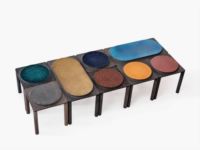
At Ranieri Lavastone, we specialize in natural and glazed lava stone tiles and furniture from kitchen countertops and wall and floor tiles to bathroom sinks and 3D tiles for bar counters. This volcanic material continues to captivate architects and interior designers worldwide, yet questions about its properties and applications remain prevalent. 


This comprehensive guide addresses the most frequently asked questions to help designers make informed decisions for their high-end projects.

Domande Comuni sull'Utilizzo della Pietra Lavica nel Design di Alta Gamma

Common Queries About Using Lavastone in High-End Design


Designers consistently inquire about lavastone's versatility across different project types. The material adapts seamlessly to both residential and commercial applications, making it suitable for boutique hotels, luxury residences, upscale restaurants, and wellness centers. Its volcanic origin provides inherent characteristics that traditional materials struggle to match.

The customization possibilities represent one of lavastone's most attractive features for designers. Unlike marble or granite, which offer limited color variations, lavastone accepts glazes in virtually any hue imaginable. This opens expansive design possibilities, allowing you to coordinate perfectly with existing color palettes or create bold contrasts. Textures range from smooth, polished finishes to rough, natural surfaces that showcase the stone's organic character.

Indoor and outdoor applications both benefit from lavastone's weather resistance. The material withstands temperature fluctuations without contracting or expanding, making it exceptional for poolside installations, outdoor kitchens, and garden features. Its resistance to UV rays ensures colors remain vibrant even after prolonged sun exposure, addressing a common concern for exterior applications.


Weight considerations often arise during the planning phase. While lavastone possesses substantial density that contributes to its durability, modern fabrication techniques allow for thinner profiles when necessary. This flexibility enables designers to incorporate lavastone into projects where weight restrictions exist without compromising the material's structural integrity.

Aspetti Tecnici della Pietra Lavica: Risposte Chiare

Technical Aspects of Lavastone Answered


Understanding lavastone's technical properties helps designers specify the material confidently. The stone forms when molten lava cools rapidly after volcanic eruptions, creating a naturally porous structure. This porosity serves multiple functions it provides excellent drainage properties, allows for natural temperature regulation, and creates the stone's distinctive texture.

Heat resistance stands among lavastone's most impressive technical attributes. Born from extreme volcanic temperatures, the material handles thermal stress exceptionally well. You can place hot cookware directly on lavastone countertops without causing damage, a practical benefit for kitchen applications. The stone naturally dissipates heat, preventing surface temperatures from becoming uncomfortable to the touch even during hot summer days.

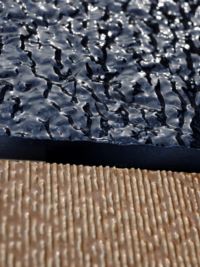
The glazing process enhances lavastone's technical performance significantly. Enameled lavastone undergoes firing at extraordinarily high temperatures, creating a sealed surface that increases water resistance and reduces porosity. This treatment produces a non-porous finish that repels stains and prevents bacterial growth crucial considerations for bathroom and kitchen installations where hygiene matters most.

Structural stability represents another technical strength. Lavastone rates higher on the Mohs hardness scale than many competing materials, providing exceptional scratch resistance. The material's natural composition ensures it maintains structural integrity across decades of use, even in high-traffic commercial environments where other surfaces might deteriorate.


Installation requires specialized knowledge due to the stone's density and hardness. Working with experienced fabricators ensures proper cutting, shaping, and installation. Modern CNC machines and laser cutting technology allow for precise customization, enabling intricate patterns and exact dimensions that meet exacting design specifications.

Guida di Stile: Incorporare la Pietra Lavica negli Interni di Lusso

Style Guidance: Incorporating Lavastone in Luxury Interiors


Contemporary minimalist aesthetics find perfect expression through lavastone's clean lines and monochromatic palette. Black lavastone creates striking focal points in modern kitchens when paired with stainless steel appliances and white cabinetry. The material's smooth, glazed finish reflects light subtly, adding depth without overwhelming the space's minimalist philosophy.

Traditional design schemes welcome lavastone's organic character and natural variations. Unglazed lavastone with its raw, textured surface brings warmth to classic interiors, complementing wood elements and natural fibers. The stone's earthy tones ranging from deep charcoals to warm browns harmonize beautifully with traditional color palettes while introducing an unexpected contemporary edge.

Transitional spaces benefit from lavastone's ability to bridge different design languages. A lavastone countertop in a muted gray glaze can unite modern fixtures with traditional cabinetry, creating cohesion in spaces that blend multiple styles. This versatility makes lavastone particularly valuable for designers working on renovation projects where new elements must integrate with existing architecture.

Color selection extends beyond neutral tones. Glazed lavastone offers vibrant options from rich burgundies and deep blues to metallic finishes with iridescent qualities. These bold choices create dramatic statement pieces in luxury interiors, whether used for accent walls, bar counters, or custom furniture. The key lies in balancing these vibrant elements with more subdued surroundings to prevent visual overwhelm.


Texture combinations add dimension to lavastone installations. Pairing smooth, polished surfaces with rough, natural textures creates tactile interest that engages multiple senses. Consider using honed lavastone for primary surfaces while incorporating split-face tiles as accent features. This approach adds depth and architectural interest without requiring additional materials.

Falsi Miti sulla Pietra Lavica Sfatati per i Designer

Lavastone Myths Debunked for Designers

A persistent misconception suggests lavastone requires extensive, complicated maintenance. Reality proves quite different. The material's natural resistance to staining and bacterial growth simplifies upkeep considerably. Routine cleaning requires nothing more than mild soap and water no specialized products or harsh chemicals necessary. This low-maintenance nature makes lavastone particularly attractive for busy commercial environments and second homes where owners desire beauty without constant attention.

Some designers hesitate, believing lavastone's porosity makes it unsuitable for wet environments. Glazed lavastone actually excels in bathrooms and kitchens precisely because the enameling process creates a sealed, water-resistant surface. The material's origins in volcanic activity mean it naturally handles moisture without deteriorating, unlike materials that might warp, stain, or harbor bacteria in humid conditions.

Cost concerns sometimes deter designers from specifying lavastone, with assumptions that volcanic materials carry prohibitive price tags. While premium quality commands appropriate investment, lavastone's longevity and minimal maintenance requirements deliver excellent value over time. The material eliminates replacement costs that plague less durable options, making it economically sound for projects with long-term perspectives.

Questions about limited availability once restricted lavastone's use. Modern quarrying and distribution networks have expanded significantly, making the material accessible for projects worldwide. Ranieri works with designers globally, providing both ready-to-ship options and bespoke solutions that meet specific project requirements regardless of location.

Consigli Esperti per Lavorare con la Pietra Lavica

Expert Advice on Working with Lavastone

Collaboration between designers and experienced fabricators produces optimal results. Engage specialists early in the design process to discuss technical requirements, installation considerations, and customization possibilities. This partnership approach prevents common pitfalls and ensures the final installation matches your vision precisely.

Sample selection deserves careful attention. Lavastone's natural variations mean each piece possesses unique characteristics. Request multiple samples showing the range of patterns and colorations available within your chosen finish. This practice helps set accurate client expectations and ensures the installed material aligns with the approved design concept.

Proper substrate preparation proves critical for successful installations. Lavastone's weight and hardness require stable, level foundations. Coordinate with structural engineers for large installations to verify that supporting structures can handle the material's load. This due diligence prevents costly problems during or after installation.

Sealing recommendations vary based on finish type. Glazed lavastone typically requires minimal sealing beyond the manufacturer's initial treatment, while natural, unglazed surfaces benefit from periodic sealing to maintain stain resistance. Discuss specific maintenance protocols with your fabricator to provide clients with accurate care instructions.

Consider lighting strategies that enhance lavastone's unique qualities. The material interacts beautifully with both natural and artificial light, creating dynamic visual effects throughout the day. Backlighting translucent glazed lavastone produces particularly stunning results, adding warmth and drama to bar installations and accent walls.

Domande Frequenti

Frequently Asked Questions

Are lava stone countertops expensive?

Lavastone countertops represent a premium investment, with costs influenced by customization level, finish type, and project complexity. Pricing typically ranges from moderate to high for upfront installation. The material's exceptional durability and minimal maintenance requirements translate to lower lifetime costs compared to materials requiring frequent repairs or replacements. When evaluating expense, consider that lavastone installations can last decades while maintaining their original beauty, making them cost-effective choices for discerning clients who value quality and longevity.

How durable is lavastone?

Lavastone ranks among the most durable natural materials available for interior and exterior applications. Its volcanic formation process creates exceptional hardness and resistance to scratches, chips, and thermal stress. The material withstands extreme temperature variations without cracking, handles heavy use without visible wear, and maintains its structural integrity across decades. Glazed lavastone offers additional protection against staining and moisture penetration. Properly installed lavastone surfaces routinely serve multiple generations, making durability a defining characteristic rather than a mere benefit.

Does lava stone stain?

Glazed lavastone resists staining exceptionally well due to its sealed, non-porous surface. The enameling process creates a protective barrier that prevents liquids and oils from penetrating the stone. Natural, unglazed lavastone possesses porosity that can allow staining if left unsealed. Regular sealing of unglazed surfaces maintains stain resistance effectively. Prompt cleanup of spills particularly acidic substances like citrus juice or vinegar helps preserve the stone's appearance regardless of finish type.

How do you clean lava stone countertops?

Cleaning lavastone countertops requires minimal effort and no specialized products. Mix warm water with pH-neutral dish soap, then wipe surfaces using a soft cloth or sponge. Rinse thoroughly to remove soap residue, then dry with a clean cloth to prevent water spots. Avoid harsh chemicals, abrasive cleaners, or acidic substances that might dull the glaze or damage unsealed surfaces. For stubborn spots on glazed surfaces, glass and ceramic cleaners work effectively. This simple maintenance routine keeps lavastone looking pristine with minimal time investment.