our lava
Before surfaces, colours, and applications, a distinction must first be made: three families of lava, three ways of engaging with the material.
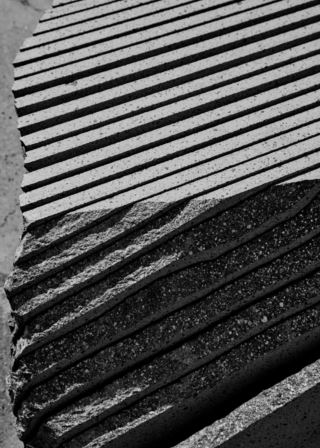
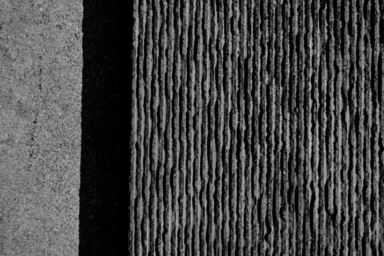
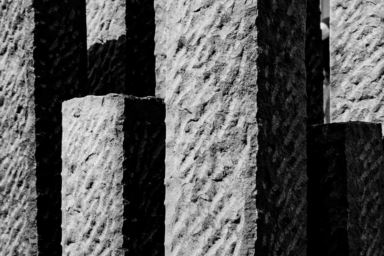
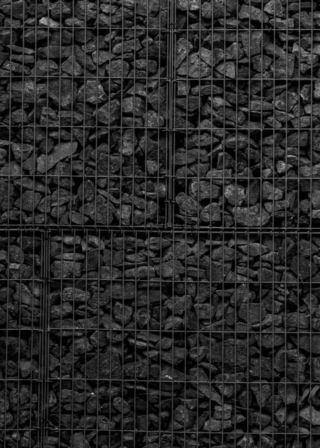
pure lava
It originates from a process that allows no shortcuts — pressure, time,
transformation. It never appears as a “ready” surface. It asks to be
interpreted, not simply used.
For Ranieri, lava is not a material to be domesticated, but one to enter
into a relationship with. Every transformation is a choice involving
technique, responsibility and vision. Nothing is automatic, nothing is
guaranteed.
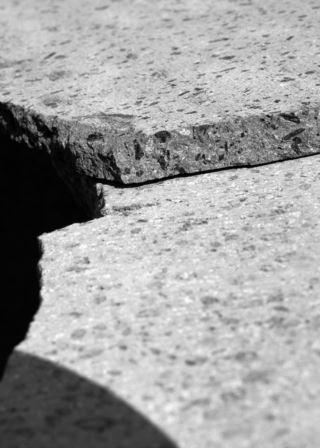
Irregularities, variations and micro-imperfections are not anomalies to
be eliminated, but traces of the process itself. They are the visible
marks of a material that has passed through fire, cooling and human
intervention.
The beauty that emerges does not come from reduction or standardisation,
but from a fragile balance between control and acceptance. Each surface
tells a different story, and it is within this difference that Ranieri
recognises its language.
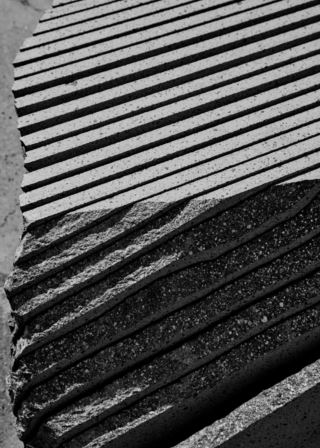
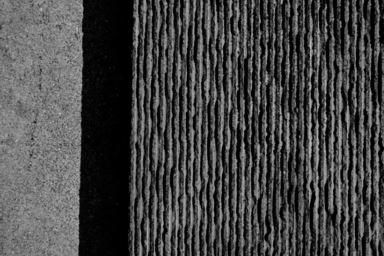
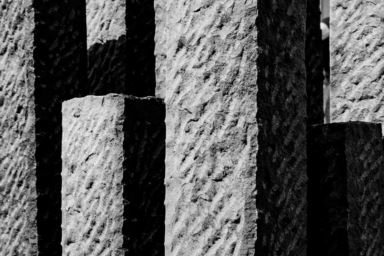
using lava
Before surfaces, colours, and applications, one distinction must be made: three families of lava, three different ways of engaging with the material.
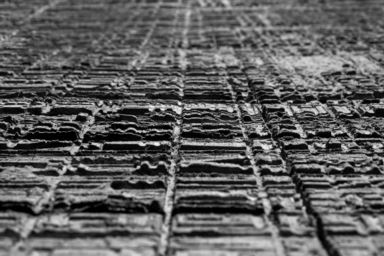
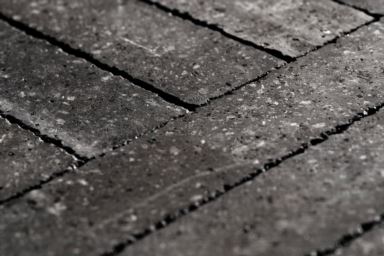
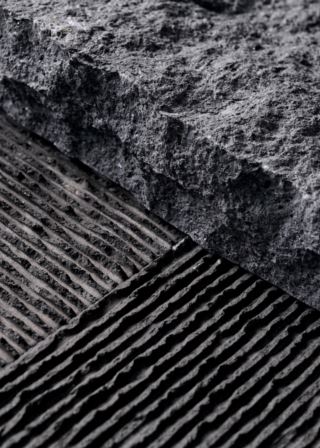
It is not glazed, not corrected, not made predictable. The traces of cooling, cutting and time remain visible.
Porosity, chromatic variations and subtle surface discontinuities are not flaws to be removed, but natural consequences of a real process. Each slab reacts differently to processing, because the material itself is never identical.
For Ranieri, working with natural lava means accepting that absolute uniformity is not a design goal. It means choosing a material that retains memory and resists industrial standardisation.
Natural lava requires attention, expertise and respect for its limits. In return, it offers an essential, primary physical presence capable of engaging with architecture without artifice or simulation.